


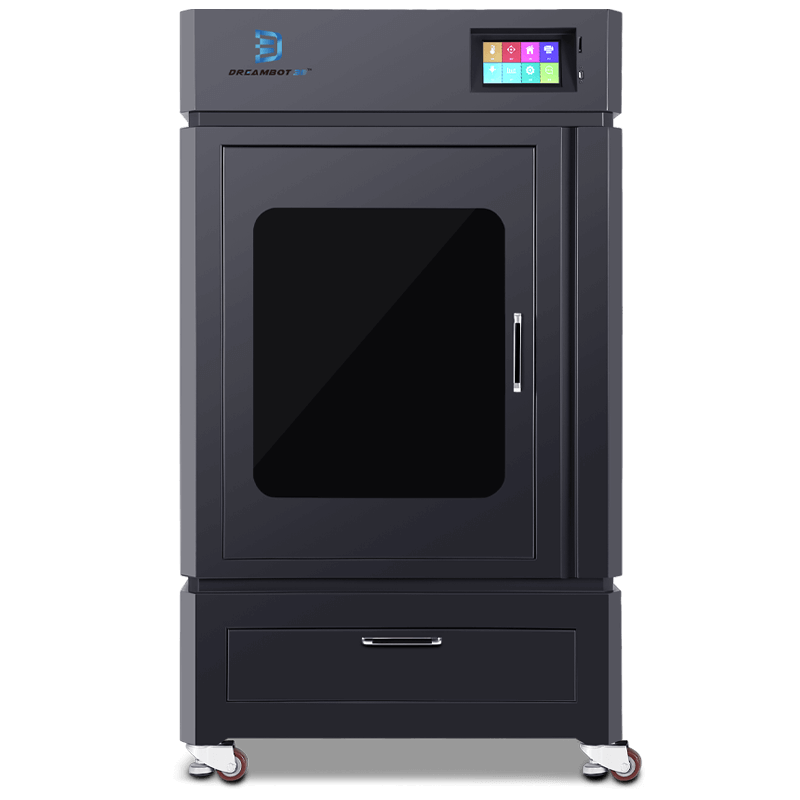
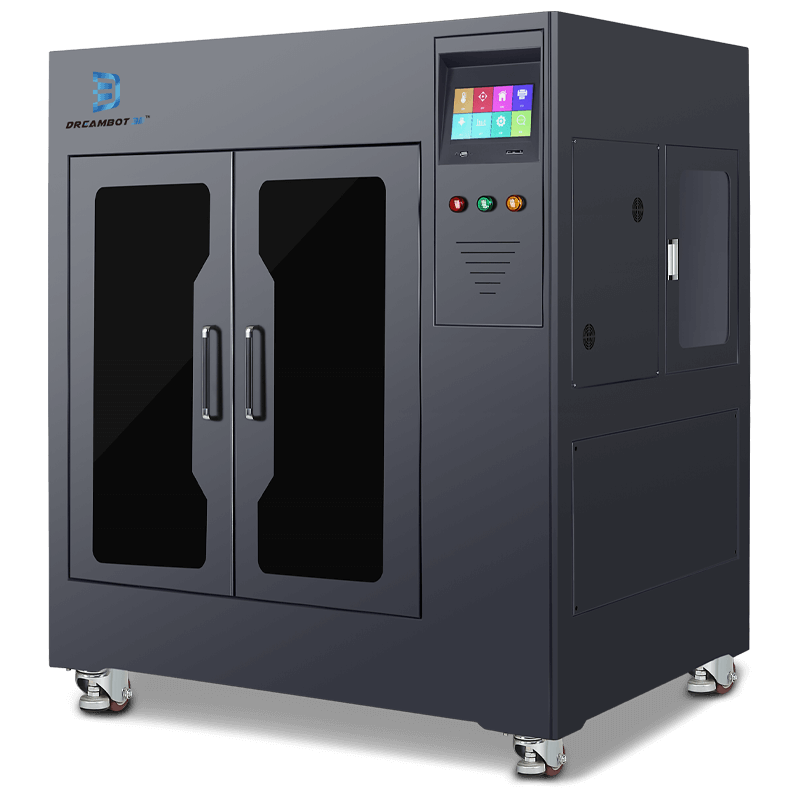
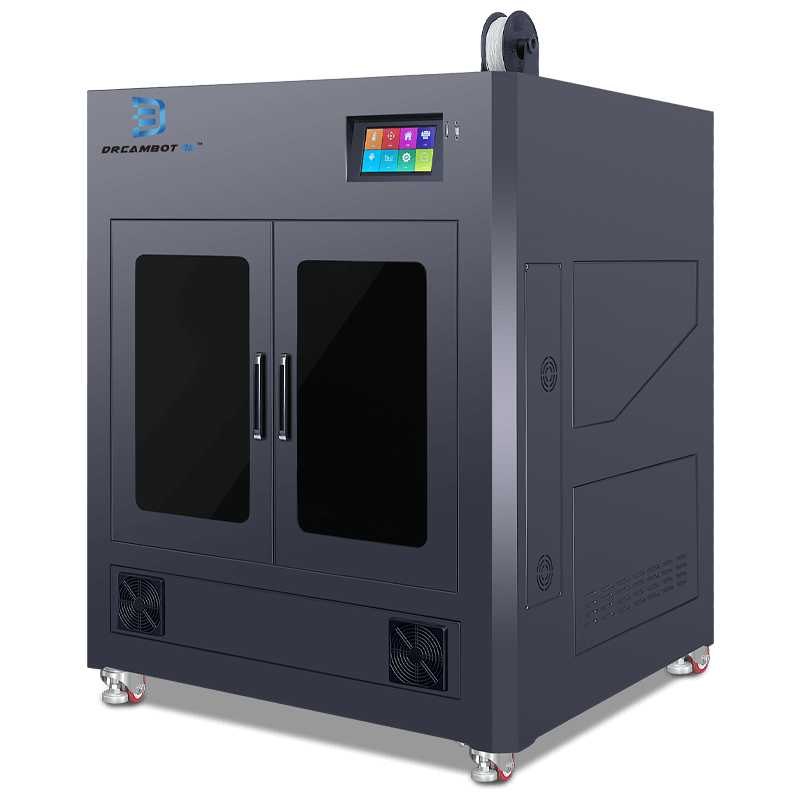
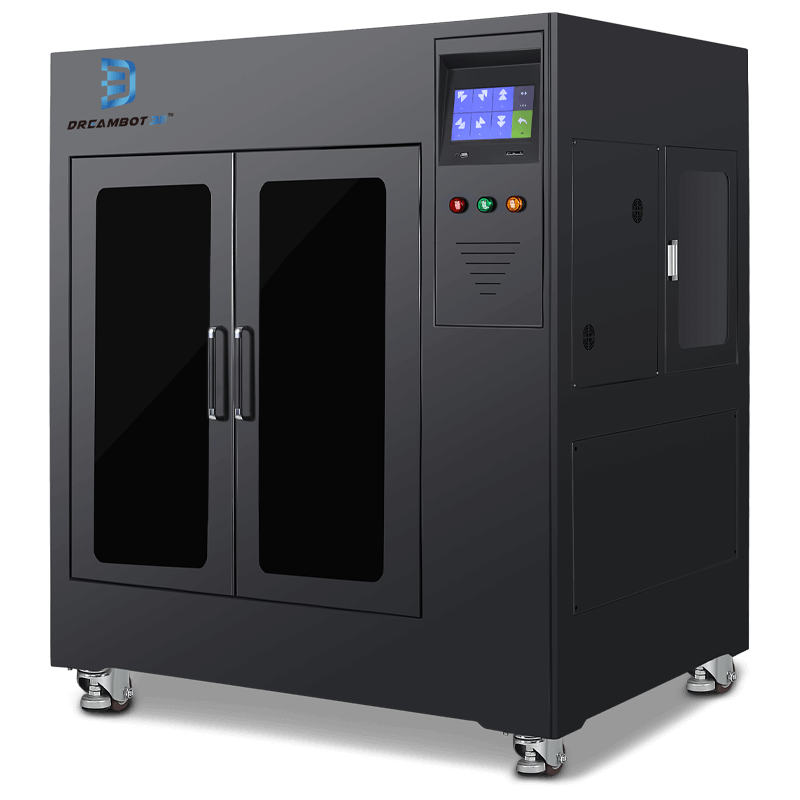
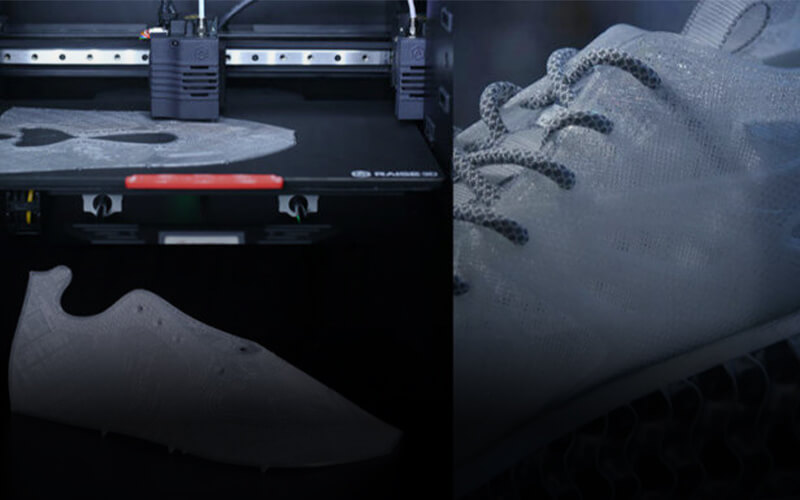
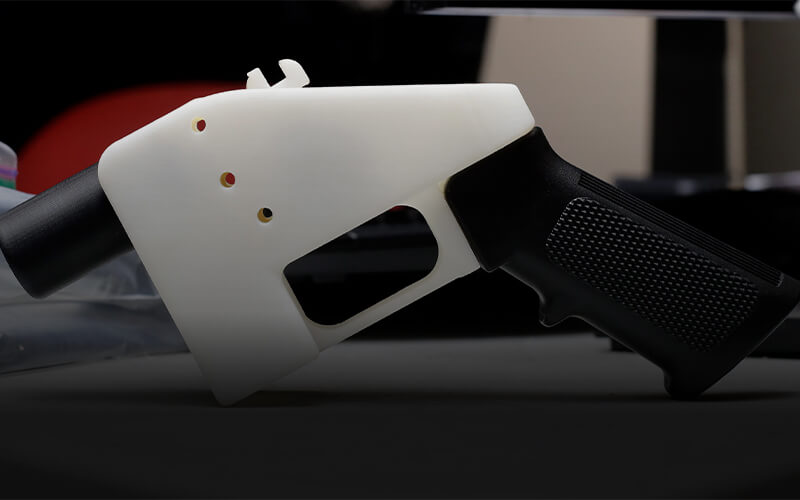
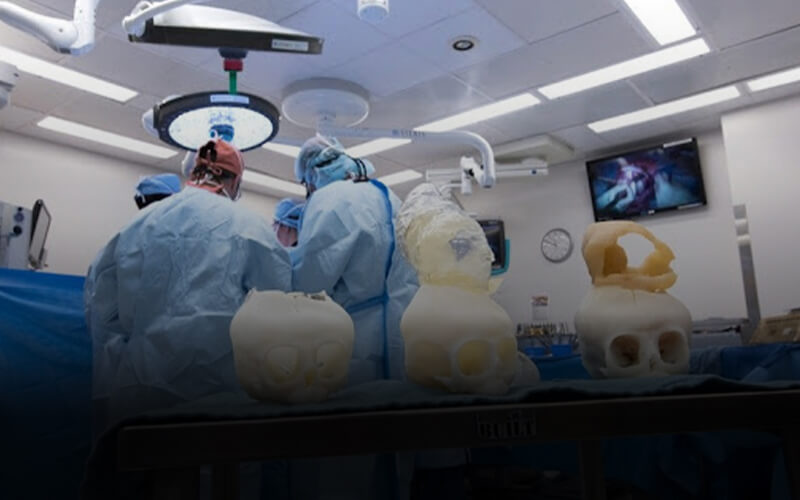
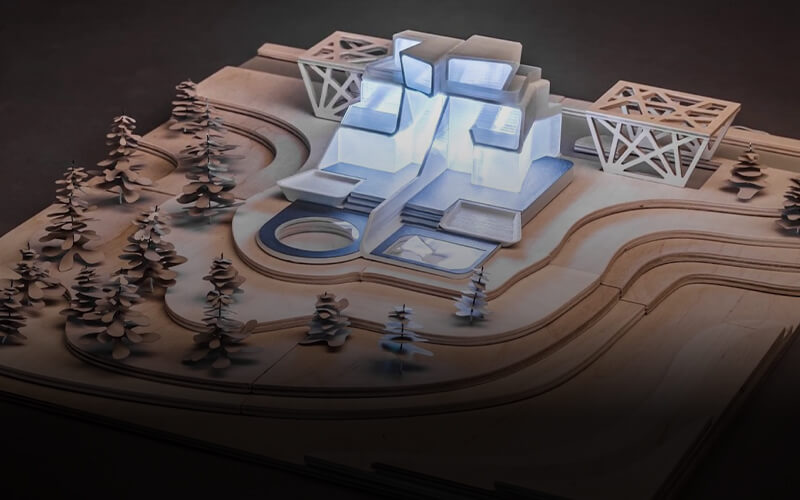
An industrial-grade 3D printer is increasing with time, replacing different traditional printing technologies, such as injection molding and other processes, such as CNC milling. Such machines have emerged as the ideal go-to option in the field of rapid prototyping and small-scale production.
An industrial 3D printer’s fantastic ability to offer intricate small pieces and stunning details makes it ideal for high-quality parts and prototype productions. Before diving deep into the guide of buying a perfect industrial grade 3D printer, let’s know about little more regarding the industrial 3D printer.
Unlike the entry-level 3D printers developed for the makers at home or educational institutions, the industrial 3D printers are primarily aimed at businesses who want to lower the manufacturing costs and develop new prototypes using 3D printing technology.
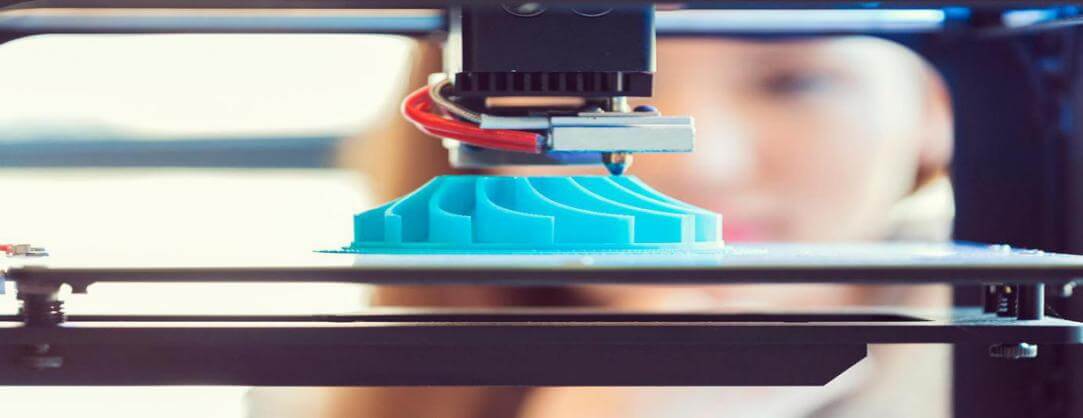
Different industries are widely utilizing industrial 3D printers for rapid prototyping, and you will be able to create your own in-house 3D print. There will be no time lag as you don’t have to wait for the manufacturers to send the prototypes. The machines are so advanced and powerful that they can print multiple products at the same time.
In some cases, these are used for producing 3D models, like fixtures, jigs, tooling, and equipment for manufacturing. In some situations, this ancillary use is more widespread. Thousands of dental intermediates, dental crowns, jewelry casts, hearing aids, and more are being developed using the industrial 3D printer. However, high volume manufacturing still rare in the case of 3D printing.
Remember that there is no such thing as “the best industrial 3D printer”. It all depends on you and your work requirements. Depending on the amount of space you have, your workflow, materials you want to use, and the products’ shape, you can find machines that can work better. The object’s wall thickness, size, strength, and other variables can make a 3D printer an obvious choice based on the details.
However, when choosing the best, you can go for the FDM 3D printers as they are very versatile. You will find them the best option for your 3D printing requirements in terms of technical aspects and safety features. Here you will get to know everything about FDM 3D printers and how to choose the best one for your company. Let’s get started with this.
FDM 3d printer introduction
Before understanding the concept of the FDM 3D printers, it is crucial to know about the technology they use, i.e., FDM- Fused Deposition Modeling. This 3D printing technique was introduced during the 1990s by Stratasys.
It may be noted that the term FDM is a registered trademark of Stratasys. This company is a leading 3D printer manufacturing company. Also known as PJP- Plastic Je Printing, FFF- Fused Filament Fabrication, and AD- Additive Manufacturing, different layers of materials are correctly fused together in a particular pattern to form the objects.
The printing material is generally melted just past its glass transition temperature and after that, extruded in a particular pattern on the top of other extrusions for object creation through a layer-by-layer process.
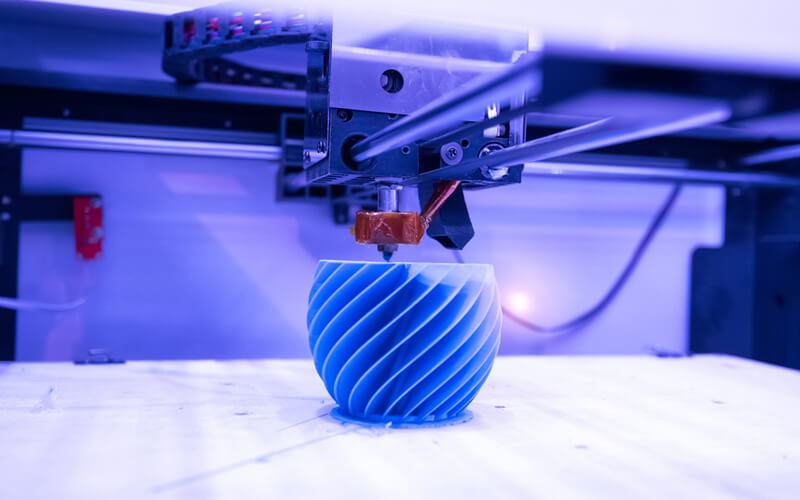
In simple word, an FDM 3D printer uses plastic filament and then squeezes it through a nozzle, that melt the plastic filament and then deposit the melted filament in layers on the build platform. After that, the layers are fused together, and gradually they will come up as the finished products.
Different types of printing materials can be utilized with FDM printers, such as pastes, thermoplastic, chocolates, and some exotic printing materials, such as wood- or metal-infused thermoplastic.
Known as the simplest and most cost-effective way to carry out 3D printing, FDM printers are reasonably efficient and cheap. It can be said that these printers are currently dominating the global 3D printing market by drowning out expensive printing methods. To find the best FDM 3D printer for you, have a look at the below-mentioned points.
Variations in Design and Capability of FDM 3D printers
Variations in the extrusion system of an FDM industrial size 3d printer includes, but not limited to:
- Chocolate extruders
- Filament extruders and the most versatile and common variation uses thermoplastic filaments.
- Paster extruders, where any types of pastes canbe used. Some common uses are in the food ad ceramic industry.
- Pallet extruders, which exchange the filaments for plastic.
Even though you will find a significant variation in terms of extruders, there is one thing that will remain common, and that is the substances will be extruded by a nozzle on to the build platform and properly fusing through heat and adhesion to a previous layer in a particular pattern to form a 3D object. This is the basis of all the FDM 3D printer.
Some other printing variations may include the movement systems for 3 axes in an FDM 3D printer. Even though each has some advantages over others, they all utilize the same 3D printing method.
Some significant advantages of FDM 3D printers
FDM 3D printers offer a significant number of benefits over other printing methods used for 3D printing. Some of the significant benefits are:
- Better level of scalability
One of the crucial advantages of using a professional FDM 3D printer is the maximum level of scalability. You can scale the print to any size. How? The only constraint factor in the build area size is the movement of the gantry.
If you can make the gantry’s rails longer, the build area can also be made larger for printing. There is no doubt that you will face a minor issue, but no such printers can be scaled.
- Fewer post-processing requirements
You all know that time is money, and using an FDM based 3d printer, you can easily optimize your production time and save money. The post-processing requirements are low, and you don’t have to spend time thinking about how you can use the expensive printing liquids in other printing methods, as it creates the object or 3D model that is all set to be used.
- Better material flexibility
Most of the business is governed by the printing materials they are using during the producing the products. When it comes to FFD or FDM 3D printing, you can go for different types of printing materials, and all are economical and easily accessible.
With a few modifications, you can use exotic filaments and thermoplastic materials. Some industrial 3D printers can also support materials like woody PLA, PLA, TPU, water-soluble materials, 95A, customizable ABS, PETG, PC, carbon fiber, Nylon, glass fiber, and more.
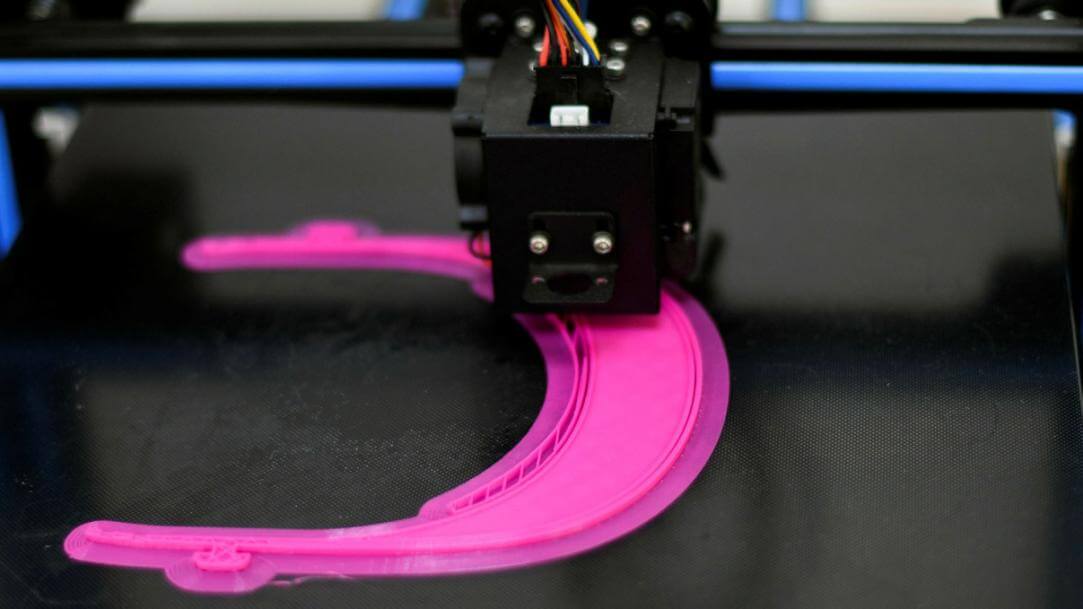
- Easy to handle
The industry and technology of 3D printing are now evolving constantly. So, it will be wrong to say that a time will come when the FDM 3D printers will become an ideal option for creating objects and parts. It has dramatically simplified the manufacturing process, enabling companies to produce, test, change, and make a final product within a few days.
No matter what are your printing requirements, you can efficiently operate these machines. The ability to use 3D printing technology to significantly enhance business operations, improve efficiency, and lower costs is why FDM 3D printers are getting very popular.
1.1, Principle of FDM 3d printer
To understand the principle of FDM 3D printers, you need to know how they actually work. So, let’s discuss this in detail. The 3D printers that utilized FDM printing technology have a nozzle called printer head, the raw materials, and the printer platform.
- The printer head or nozzle
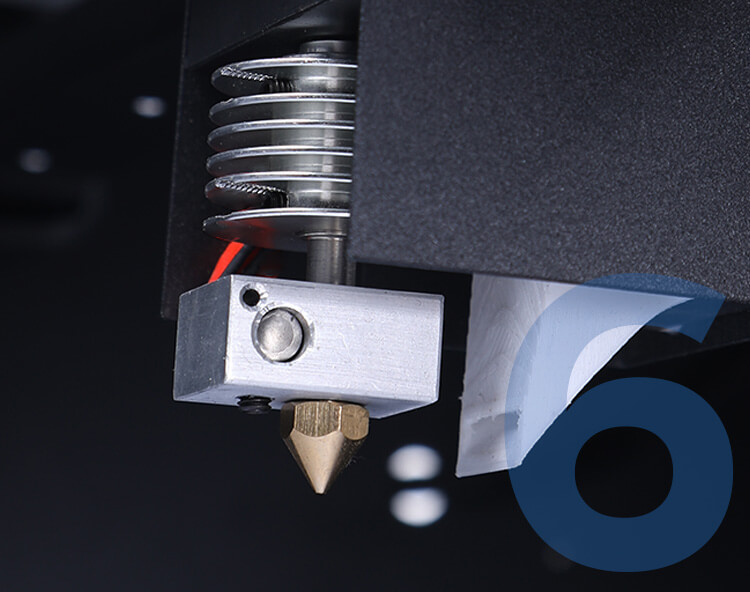
The nozzle or printer head is generally attached to the chassis that utilizes a belt or screw system for movement. The entire assembly can be moved in X, Y, and Z dimensions using the machine’s motorized system. There will be a fourth motor known as the step motor used to send the printing material or thermoplastic into the printer head. The movement of raw material and nozzle is operated through a computer.
- The printer platform
This is also called a build platform or printing bed and generally made of hard plastic, ceramic, or metal. Each layer is deposited on this.
- Printing raw materials
The raw materials used in the FDM 3D printers can include production grad thermoplastic. However, sometimes, based on the requirements, meta can also be used. Thermoplastic can be melted continuously by applying heat and can be resolidified by letting it to cool.
The thermoplastic is applied on the mounted spool and then processed through the nozzle. If you go for advanced industrial-grade FDM 3D printers, they allow the nozzle temperature to remain constant while thermoplastic or metal is being extruded.
This will extrude the printing material in a semi-liquid and reset immediately. So, such printing provides you with a better level of dimensional accuracy.
In general principle, any types of thermoplastic can be used as FDM printers’ raw material. However, commercially, you can use some other materials, for example, ABS-Acrylonitrile Butadiene Styrene, Nylon, ply-lactic acid, polycarbonates, thermoplastic urethane, polystyrene, and more.
The printing process of an FDM 3D printer
First, the nozzle is heated to the desired temperature. After that, filament or printing material is feed to the printer’s extrusion head, and then it is melted in the nozzle.
Now, the extrusion will move in X, Y, and Z directions. While moving in different directions, the extrusion head releases melted materials in thin standards. The melted material is properly deposited layers wise on the build platform, and once done, it will be cool.
After done with one layer, the build platform will go down, and the extrusion head will move up. A new layer will be created. This process is repeated until the completion of the part.
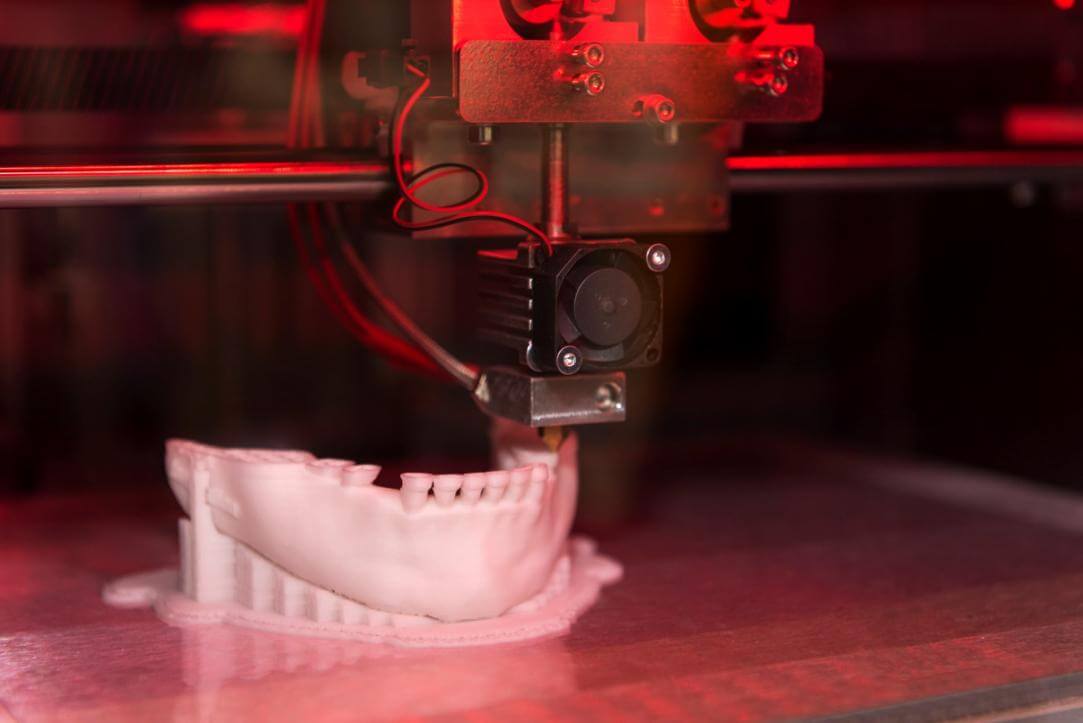
In some 3D models, you will get some fragile overhangs that will break unless provided with some supports. Most of the FDM 3D printers have a mechanism to create the support structure while printing the objects. You can remove the support structure once the object is complete. Some printers come with a secondary extruder that can deposit soluble thermoplastic strut.
Some rules related to FDM 3D printers
- The general build size of a desktop edition FDM 3D printer is around 200 x 200 x 200 mm. However, an industrial-grade 3d printer can offer you a larger build size.
- FDM 3D printers can print functional parts and prototypes fast and at a low cost utilizing different thermoplastic materials.
- FDM is anisotropic, so you should not use this to make mechanically critical components.
- To eliminate wrapping, you should avoid large flat areas and can fillet in sharp corners.
This is all about how an FDM 3D printer works. Now, let’s explore the materials that can be used in an FDM 3D printer.
1.2, What materials can be printed by FDM 3d printer?
Most of the FDM 3D printers are very safe and easy to use, and you can also use them at home to prints things that don’t require complex post-processing methods. With this, manufacturers are now introducing different types of materials to be used in these printers.
When it comes to industrial FDM 3D printing, you will get different types of materials to choose from. All the materials have their own features, weakness, and strengths. Besides, some factors like cots, texture, material type, and more should be considered to avoid mistakes.
Even though it is quite challenging to choose the right material for a specific product, here are some popular materials that you can use in your FDM 3D printer.
- PLA
PLA- Polylactic Acid, is a classic and common 3D printing material used in every industry. This material is bioactive thermoplastic polyester and also a biodegradable product. It is generally made of natural products such as corn starch, so you will find it very environmentally-friendly compared to plastics.
Some of the ideal applications for PLA include products, parts, and prototypes that are not made for extreme stress levels.
Some advantages of PLA in terms of the finished product are
- They are easy to post-process.
- The layers will be deposited precisely, and you will get an excellent surface finish.
- The material is biodegradable.
- You can bake the finished products made of PLA to enhance the strength.
- You will enjoy different color options.
However, there are somethings that you should always keep in mind while using PLA. The 3D model will not be very durable, and it can get softer at a temperature of 60-degree C or 140-degree F.
- ABS
ABS- Acrylonitrile Butadiene Styrene is one type of amorphous polymer produced through the emulsion process by combining around 3 components. The ABS is widely utilized in manufacturing different types of everyday goods, such as keyboard keycaps. When your parts need extra strength, you can trust ABS. However, some newly-introduced composites are now gradually displacing it.
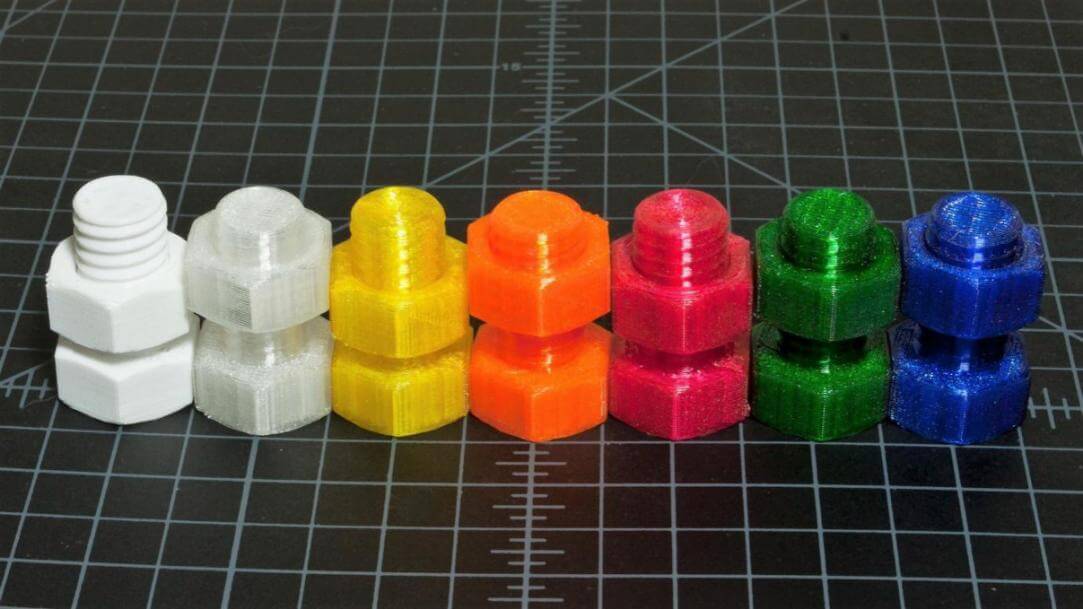
Some unique characteristics of ABS
- It is an easily accessible and cheap material for FDM 3D printing.
- ABS is highly available and comes in different colors.
- This material offers a longer lifespan than Nylon material.
- ABS is mechanically robust.
- This is not suitable for hobbyists. It is generally used by engineers and manufacturers who want to do high-quality prototype production.
Benefits of ABS finished product
- Easy to paint and post-process
- Easy to recycle
- Better level of durability and stiffness
- The maximum level of abrasive resistant
- It can easily withstand a temperature of 100-degree C or 212-degree F.
It may be noted that the 3D product can be UV sensitive, so be careful about this.
- Nylon
Nylon is a perfect 3D printing material having a solid reputation for prototypes. It has some unique mechanical properties. The best thing about nylon filaments is they can be made from different polyamides having different properties to achieve the desired level of toughness. This is a common material for SLS 3D printing.
Some advantages of Nylon finished products
- They produce high tensile strength
- The products can be painted, coated, and dyed to give a better appearance.
- When it comes to durability, you can trust Nylon.
- For the good quality parts, manufacturers use Nylon.
- These parts made of Nylon can have better flexibility
- Another best thing is they will be temperature resistant.
This can be a little hard to print, and a scratch mark can appear on the product due to its elasticity.
- Carbon fiber
Carbon fiber filaments use short carbon fibers combined with thermoplastic, known as the base material. As an extremely strong material, by adding PLA, Nylon, or ABS to carbon fiber, you can increase the stiffness and strength.
Benefits of carbon fiber
- The product will be strong.
- Layers will come out smooth.
- Printing carbon fiber is not a difficult thing.
- PC
PC- Polycarbonate is a super-strong material that is designed and developed for different engineering applications. This material supports better temperature resistance and can easily resist physical deformation up to 150-degree C. However, the material can absorb moisture from the air. This is highly valued by the additive manufacturing industry for its transparency and strength.
- PETG
This is made from PET by adding Glycol. It is a transparent amorphous thermoplastic and makes the PET material very durable and stronger.
PETG finished product advantages
- Layers will look and feel smooth and nice.
- 3D prints are strong and will last longer.
- It can be sterilized and is a food-safe option.
- The products are moisture resistant.
- The material is recyclable.
It can change the color during the printing process. Sometimes, you can see the scratches on the product. Besides, the material is sensitive to UV light. At 80-degree C, the object can get the software.
- PVA
This material is best for low-end home 3D printers. This printing material is perfect for support materials having a dissolvable variety. You can’t use this to produce 3D models that require higher strength. However, this can be a perfect low-cost printing material option for temporary-use items.
- TPU
TPU- Thermoplastic Polyurethane is a material with rubber-like characteristics. This is widely used to form semi- flexible parts. Generally, TPU is a polyurethane plastic and the block copolymer. The structure of TPU is made of a chain of soft and hard segments.
TPU finished products
- The object can be semi-transparent.
- The flexible level is right.
- The abrasion resistance level is good.
- The strength level of the 3D model will be impressive.
- TPU made products can easily withstand a temperature of 80-degree C.
- TPU 3D printing is wear-resistant.
One of the significant disadvantages of this 3D printing material is finding it difficult to glue parts and post-process the products.
- HIPS
HIPS- High Impact Polystyrene is one type of plastic filament generally used to offer support structure in the FDM 3D printers. Compared to the ABS material, it is easy to use. The only difference that you will find is its unique ability to get dissolved. This printing material is soluble in limonene, a liquid hydrocarbon.
Characteristics
- It offers good machinability.
- You can use HIPS to make complex structures.
- It feels very smooth and lightweight.
- The product made of HIPS is water-resistant and impact-resistant.
- It is an inexpensive material.
While processing, this can produce strong fumes. So, it is advisable to use the FDM 3D printer in a well-ventilated area.
- ULTEM
ULTEM is one type of branded material that is generally used for professional FDM 3D printers. In terms of chemically, it is a resin that belongs to the PEI- Polyetherimide family. ULTEM’s best thing is the material offers better heat resistant features, and the performance level is also impressive.
ULTEM finished products advantages
- The 3D models will be dielectric and robust.
- They will be stress, heat, and chemical resistant.
- Some products can be biocompatible and can pass the smoke test.
What should you keep your min while choosing printing material for the FDM printer?
When it comes to choosing robust and resistant materials, they are processed through high temperatures for printing. That means not all types of desktop FDM 3D printers can create 3D models from those printing materials.
However, with some types of upgrades, you can hack the machines and can print some of the materials in the comforts of your home. No matter how hard you try, the 3D printer selected and the operators’ skills will play a significant role in determining the final product. Some of the factors that you can consider are:
- Object’s strength
There are some factors which as make or break a strong material and printing objects. Too high and too low printing temperature, poor storage, and inadequate cooling can make printing materials like ABS, PET, ULTEM perform lower, and the product can develop a crack. Even though you are using a material that can handle heavy stress, if the printing condition is not right, they will not bond with each other.
- Surface quality
Apart from printing temperature, nozzle types, slicing settings, and printer settings (speed and type), which can lead to spot, color changes, and unparallel surfaces if not configured correctly.
- Dimensional accuracy
Inaccurate printing can arise with any type of filament. Flexible printing materials such as Nylon and TPU are challenging to control. Heated printing materials can lie entirely, but printing the first layer of liquid filament cools and begins shrinking and warping. This can make the objects to appear inaccurate and deform.
Moreover, it is crucial to understand that most of the printing materials can be developed by manufacturers. As a result, they can differ in terms of properties and compositions. For instance, a standard ABS can be developed with various proportions of 3 to 4 monomers. Based on the concentration level, the performance can vary.
On the other hand, adding some extra components to the printing material can enhance its properties. The FDM 3D printers are great for trying out different materials. Remember that there is no such all-purpose printing material that can be used for different products.
So, it is advisable to pick a filament considering your requirements. Don’t try to combine all the properties into one printer as this can be harder to work with. For more details and how to choose the right filament for your 3D FDM printer, you can feel free to get in touch with us.
1.3, Why is Dreambot3d’s FDM 3d printer so prominent?
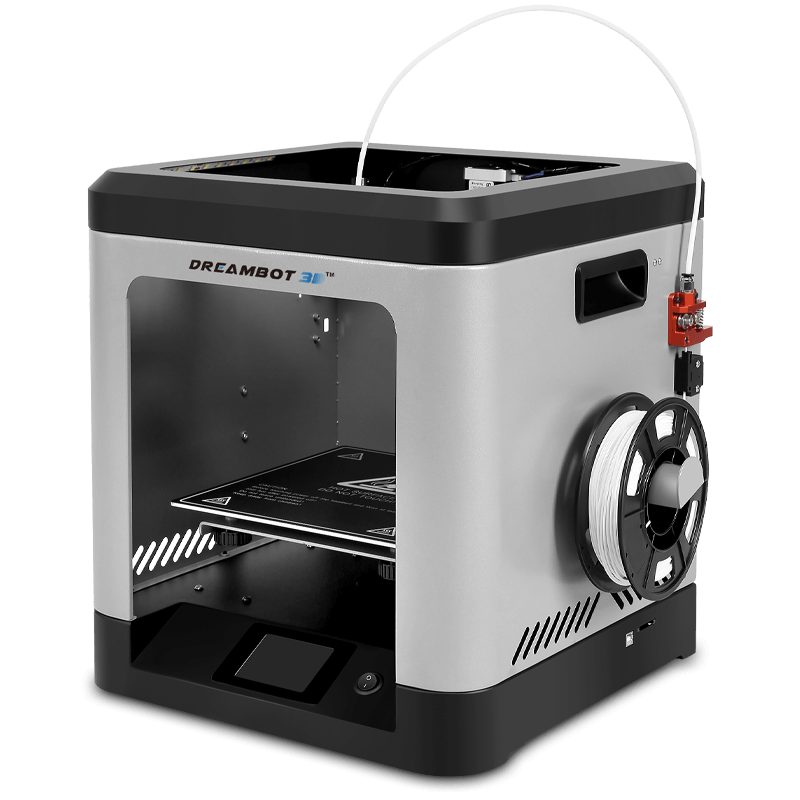
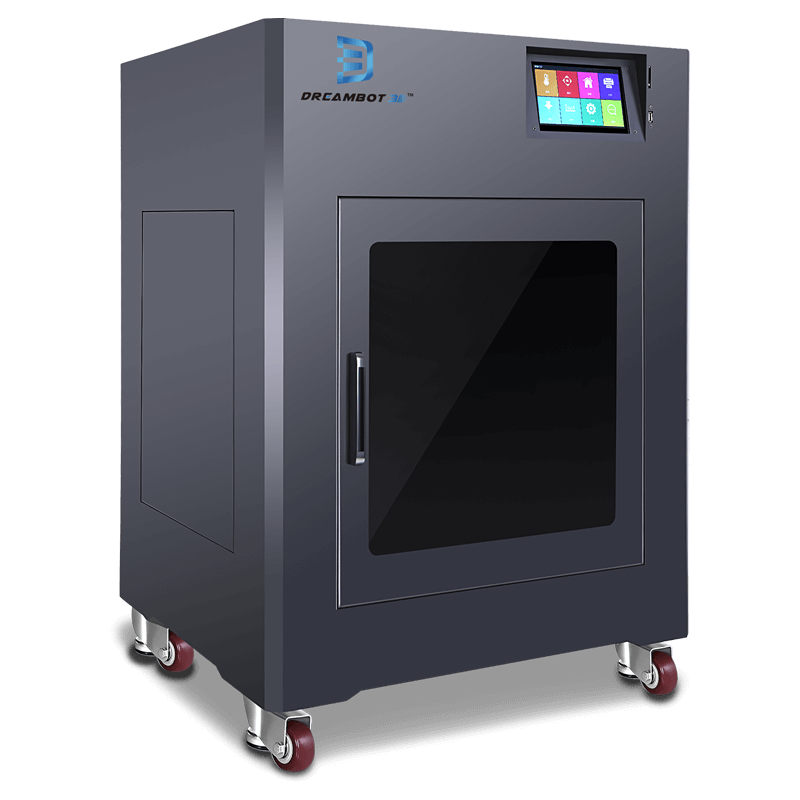
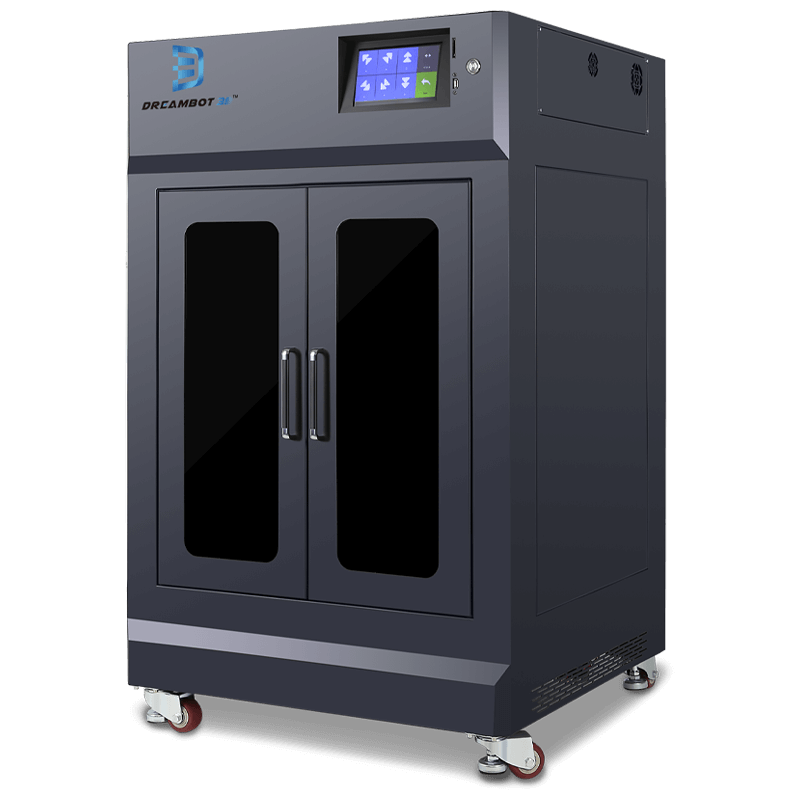
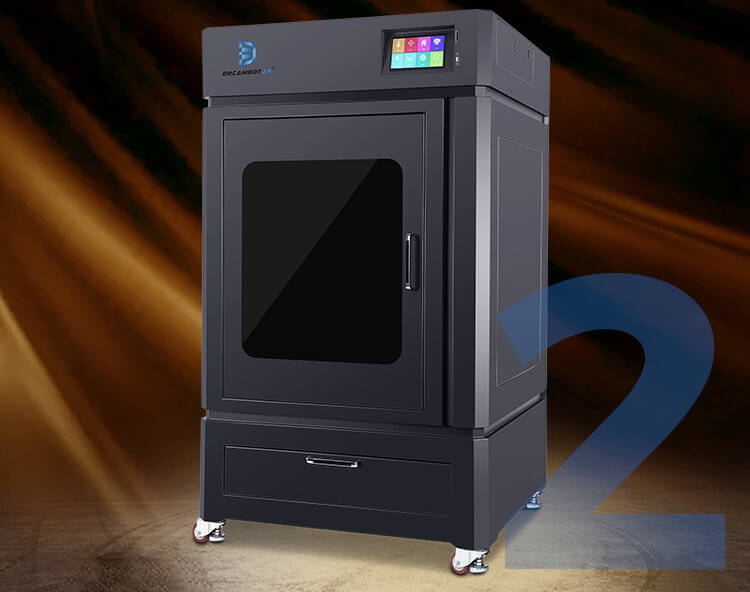
When it comes to buying the best industrial 3d printer or FDM 3D printer, you can always trust one brand, i.e., Dreambot3d. No matter your requirements, with Dreambot3d’s FDM printers, you will never face any disappointment. Some significant reasons behind the popularity of the printers are:
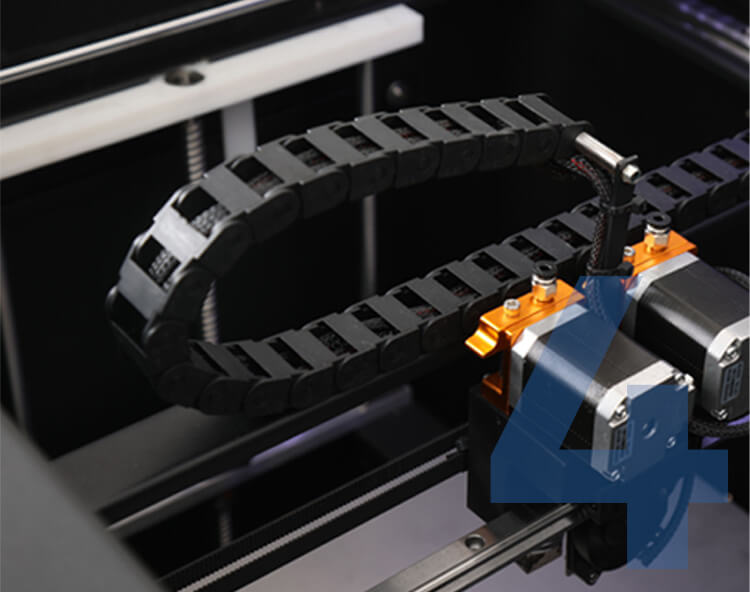
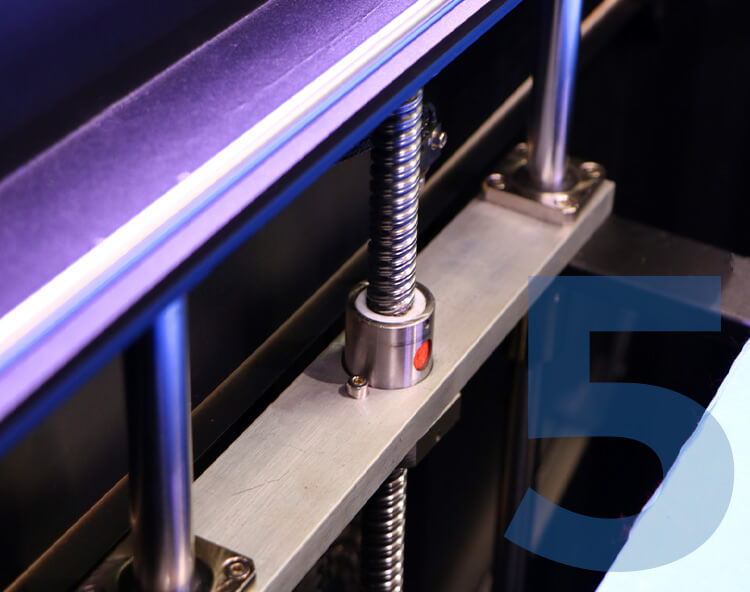
- The printers come with an integral and enclosed metal chassis. You will find the chassis structure very stable, and the printers’ XYZ axis can print very stably while operating at a higher level. That means you will get better printing accuracy. With others, you will get machines with a simple structure and acrylic outer box.
- All the printing machines have a constant temperature system. This system’s work is to heat the chassis’ printing control to a better state for 3D printing. This way, the heat-resistant materials (such as Nylon, carbon fiber, ABS, PC, and more) will not be drawn or wrapped during printing. You will not get this system from other manufacturers.
- The machines’ operating system is simple, and you don’t have to go through any extensive training to learn how to use the machines.
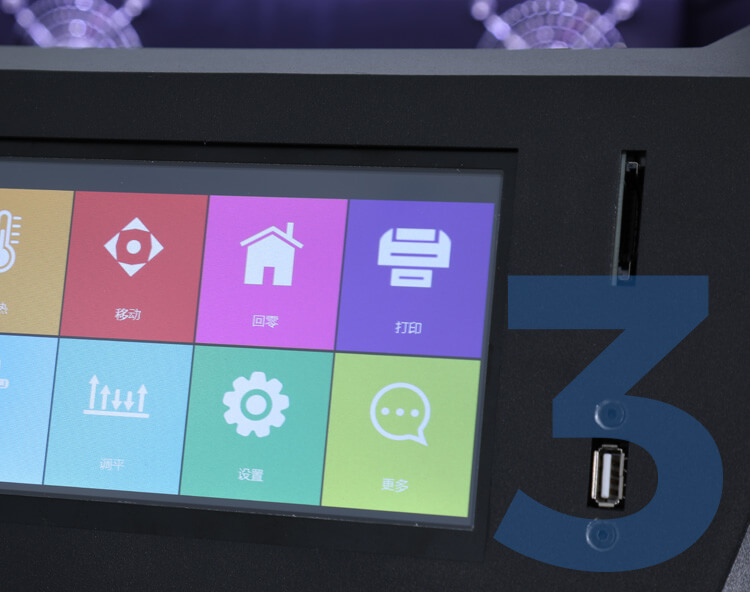
- The printers come equipped with a 7-inch large color screen. Besides, they support different languages. Many competitors of Dreambot3donly offer a 5-inch screen with their printers.
- You will enjoy a large size selection. The market condition is now stable, and you can choose any model you want, like L5-400/500/600/800/1000, L8-400/500/600 to enjoy different sizes. On the other hand, some manufacturers only offer a few regular sizes, and the market is not stable.
- Dreambot3dhas 8 years of experience and expertise in producing industrial-grade machines. Besides, we have massive R&D and production capacity and robust OEM and spot capabilities. Others only offer desktop-level printers with limited R&D facilities, experience, and market. They only deal with an incidental model.
- We are well-known for manufacturing industrial-grade and large printing machines. In terms of size and style, we have a massive collection of 3D printers. Besides, Dreambot3dhas sufficient stock, and once you place the order, it will be shipped within 3 to 5 days. Are you looking for a customized printer? We can offer you that, and it will be shipped within 10 to 15 days.
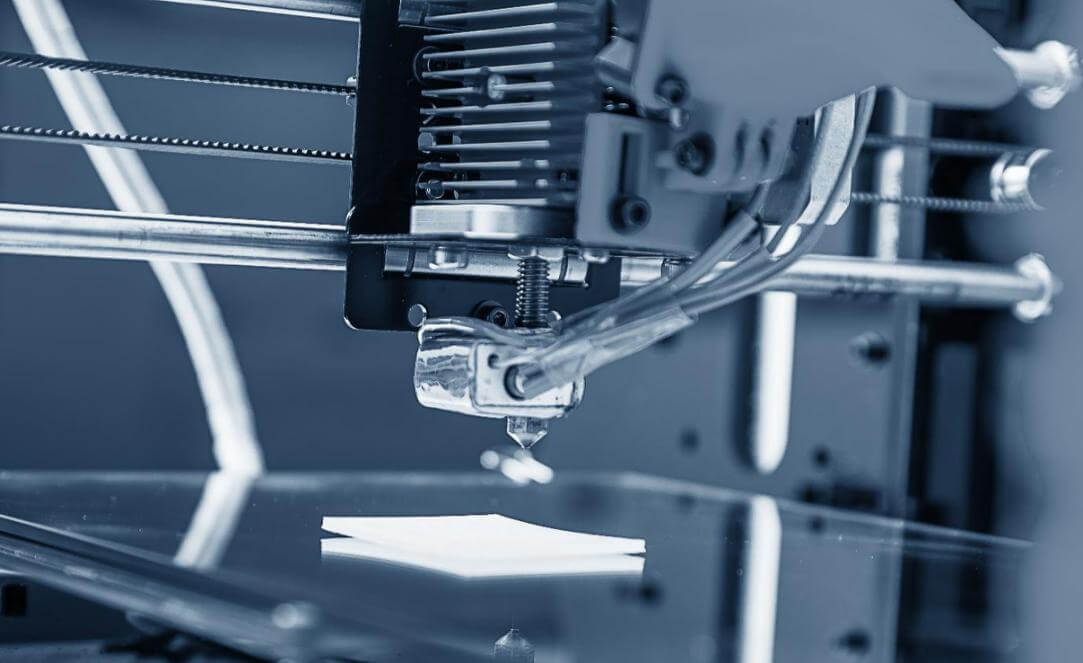
Want to know more about our industrial-grade printers? Visit our site or call us now.
Application field of FDM 3d printer
With time and advancement in technology, 3D printing, and FDM 3D printers have gone to an all-new level. They are now playing a great role in different applications. Some of the significant applications are medicine, manufacturing, custom art, design, and architecture.
It is now catching up to its full potential. While the world is celebrating the era of Industry 4.0, more companies have started to implement FDM 3D printing to optimize their business activities and production processes.
The FDM 3D printing has emerged as a prominent solution in manufacturing tooling, production lines, and spare parts for machines. This is also a cost-effective and fasters way for prototyping with complex geometry. Now, let’s have a look at some significant application fields of FDM 3D printers.
2.1, For industrial research and development
The use of advanced or industrial 3D printers has brought a significant revolution in the production process. They have changed the way the Research and Development departments of companies work. It has also been proved that they can influence the process management on different production stages.
For every industry, the R&D department plays a significant role in developing new products and enhancing the product innovation cycle. To help them in this, 3D printers are developed, proving the amazing level of precision and quality. On the other hand, they also offer the quickest prototyping technique and cost-effective, low volume manufacturing. Besides prototyping, 3D printing is also used to create spare parts for machines.
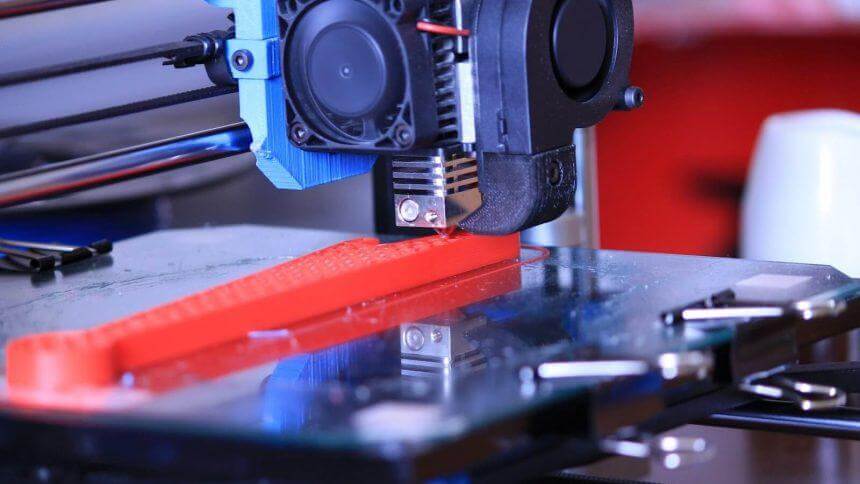
R&D departments are now using 3D printers to keep working on simplifying and perfecting the products. They take less time to create new prototypes and to improve the product. If you compare, you will find 3D printing technology inexpensive and produces less leftover waste. This, in turn, makes more product tests possible, and you will get a high-quality final product.
Moreover, 3D printers have already enhanced the application of Agile and Lean techniques in different manufacturing companies and have introduced modern manufacturing process management.
If you don’t have the spare parts, the high-resolution FDM printer will create them for you within a few hours. If you want to improve the R&D facilities and capabilities, it’s time to start using FDM 3D printers.
2.2, For the production of animation figures
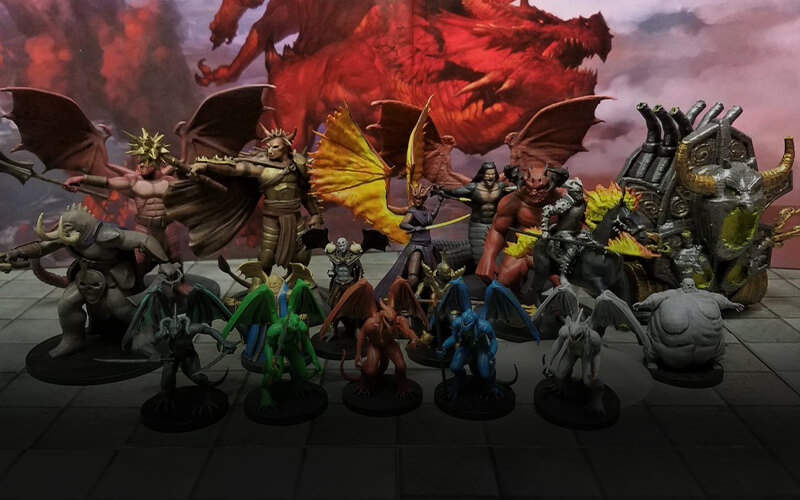
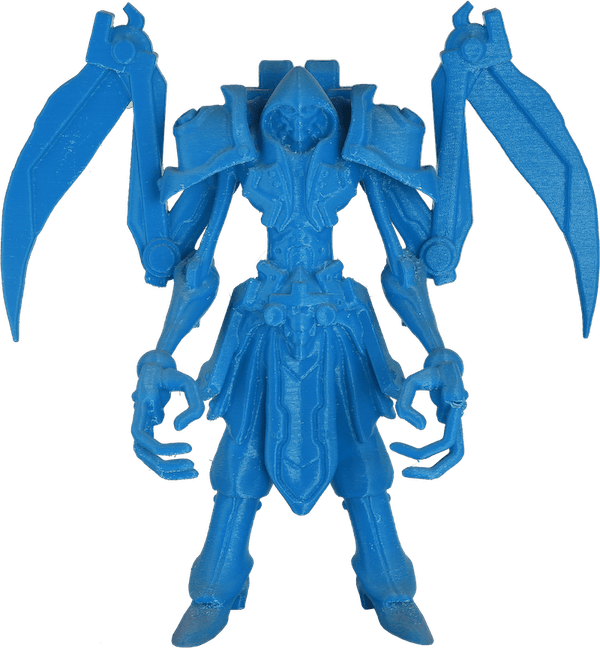
3D printing has made it possible to bring cartoon characters and video game characters to bring to life. You can now quickly get a fully articulated action figure. For example, a team of researchers from Harvard University has developed an add-on software tool that can easily translate my game characters such as Lara Croft or Marion into moveable figures utilizing 3D printers.
They are currently developing various applications of technology. Their entire research work will be submitted to the ACM- Association for Computing Machinery’s Transactions on Graphics in detail.
Another example that you can consider is Polygonal Mind, a small digital creative arts studio that primarily focused on making 3D designs and low poly aesthetics. They use color 3D printing for creating models. How they work?
First, using software makes a 3D sculpt in high poly to make sure that the shapes and forms look good. They create a new mesh surface and maintain an accurate polygon flow without affecting the details.
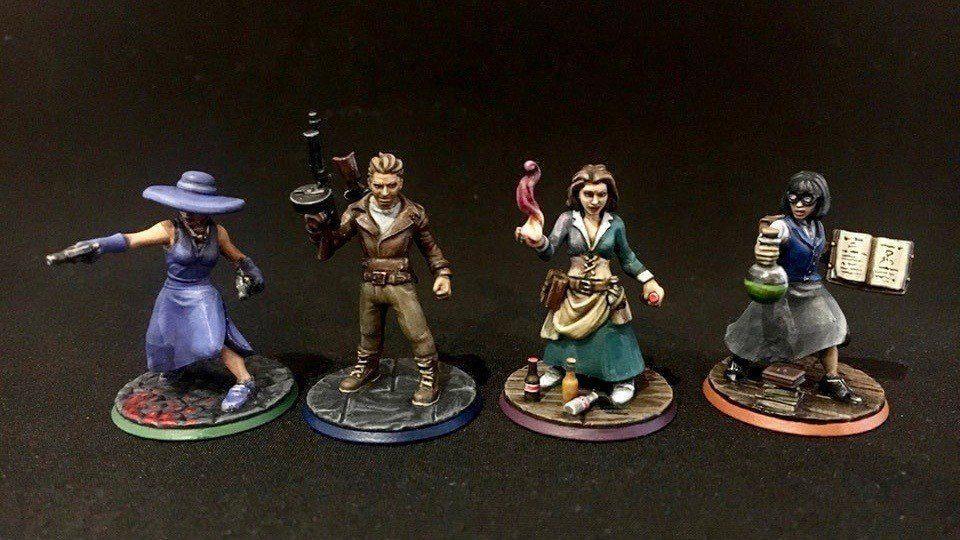
They use Maya to fix the 3D model’s topology and start an experiment to get the right color combination. Once done, they print the model using a 3D printer. This helps them to get new design insight and trigger creative inspirations.
2.3, For model making
Modern and advanced FDM 3D printers can produce high-quality architectural prototypes to elaborate on the details of entertainment spaces, exterior living, and more. The printer can use different printing materials, such as ABS and polyamide, to achieve colorful and complex objects.
Architects can now produce high-resolution artifacts along with larger print builds for real conversation. Besides, 3D printed architectural models will be durable and robust. 3D printed models will always be available for testing, validation, and evaluation by the construction projects’ teams.
Another primary industry that uses 3D printing for model making is medicine. This technology is used for 3D printed prosthetics. It has made it possible to come up with perfect adapted devices.
You can create arms, legs, hands, and more things to help amputees enjoy everyday life. This has made to develop parts that can ultimately be adapted to the patient’s morphology. Another thing is, it also helps in bone reconstruction or jaw reconstruction.
Besides that, doctors have successfully tested 3D printing for knee realignment, and 3D printed synthetic cartilage for knee replacement.
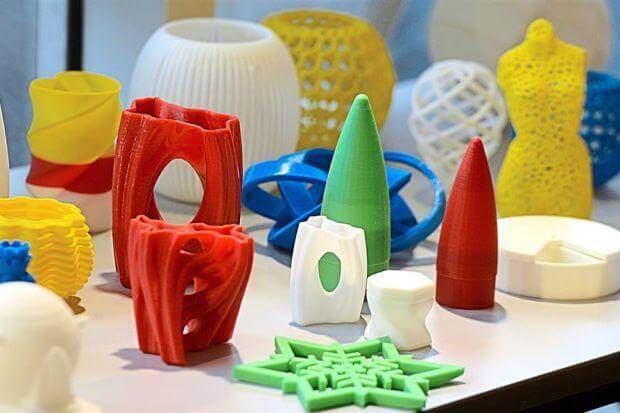
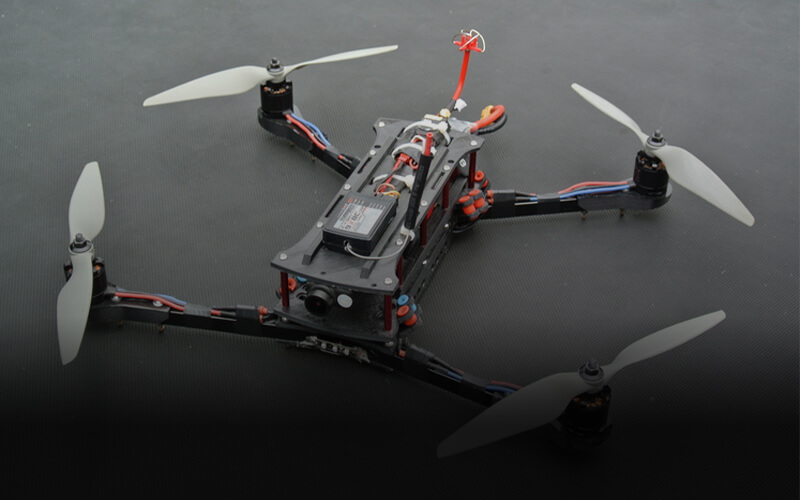
In the drone manufacturing industry, 3D printing is used to 3D print different parts of a drone. Instead of buying a new part for the drone that can be very expensive, you can 3D print that part using your 3D printer. You can 3D print some components, battery pack casing, remote casing, antenna holder, landing gear, frame, propellers, camera mounts, protective equipment, and more.
2.4, Used in aerospace and automotive industry
For the past few years, 3D printing technology in the global automotive industry was majorly used by car manufacturers to develop automotive prototypes to evaluate their fit and form. They were using binder jetting and selective laser sintering printing technologies. However, things have been changed a lot. Some core application of 3D printing in the global automotive industry are:
- Prototype validation- Using 3D printing, one can now validate a prototype. Starting from small printed details to high details parts, all can now be effectively tested and validated.
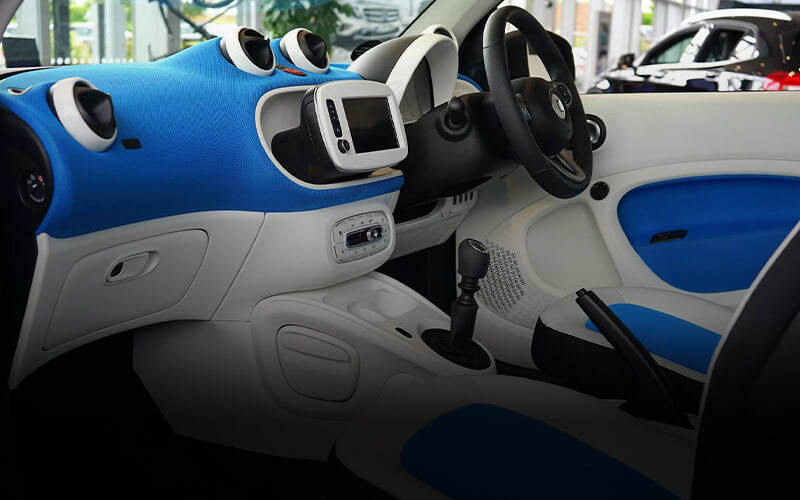
- Customized parts- 3D printers are used by automotive companies to customize parts based on the vehicle’s requirements. This can be quite helpful when such components’ cost is entirely justified by significant vehicle performance improvement.
- Production tooling and sampling- Industrial FDM 3D printers can be used to produce transforming tools and molds. These machines are also being used for rapid manufacturing of fixtures, jigs, grips, and more such products. This way, they can produce tools and samples at a low cost and can prevent future losses in the production processes.
Talking about the aerospace industry, 3D printing has also become a crucial part of this industry. This has been fulfilling many aerospace manufacturing and design companies’ requirements, especially with printed core and sand mold for new designs’ prototyping.
Aerospace applications include the formation of casting for complicated covers, gear cases, components required to draft-free walls, transmission housings, structural hinges, lightweight engine parts, and more. Here are some examples from well-known companies using 3D printing and their exciting applications.
- Boeing
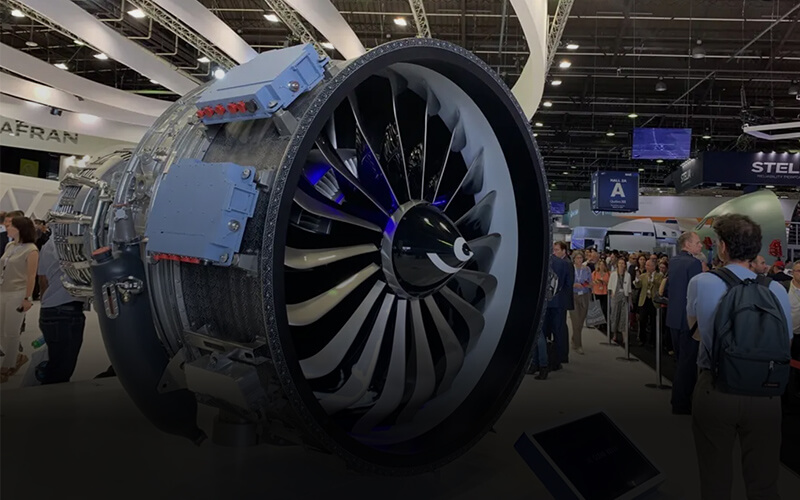
A few years back, Boeing has utilized 3D printing in the process of satellite production. In fact, in 2019, the company created a metal satellite antenna through 3D printing. Besides, the company is also using this for the production of its jets. For example, it is used for GE9X engines of Boeing 77x. Apart from the fuel nozzle, the engine has around 300 parts that are made through 3D printing.
- Airbus
Around 3 years ago, Airbus used titanium 3D printed parts for its aircraft production. For example, the company’s Airbus A350 XWB has around 1000 parts that have been 3D printed. On the other hand, the company has partnered with Liebherr-Aerospace, a well-known Swiss OEM, to supply 3D printed parts. Now, Airbus is planning to 3D print self-driving cars and drones.
- NASA and Made In Space
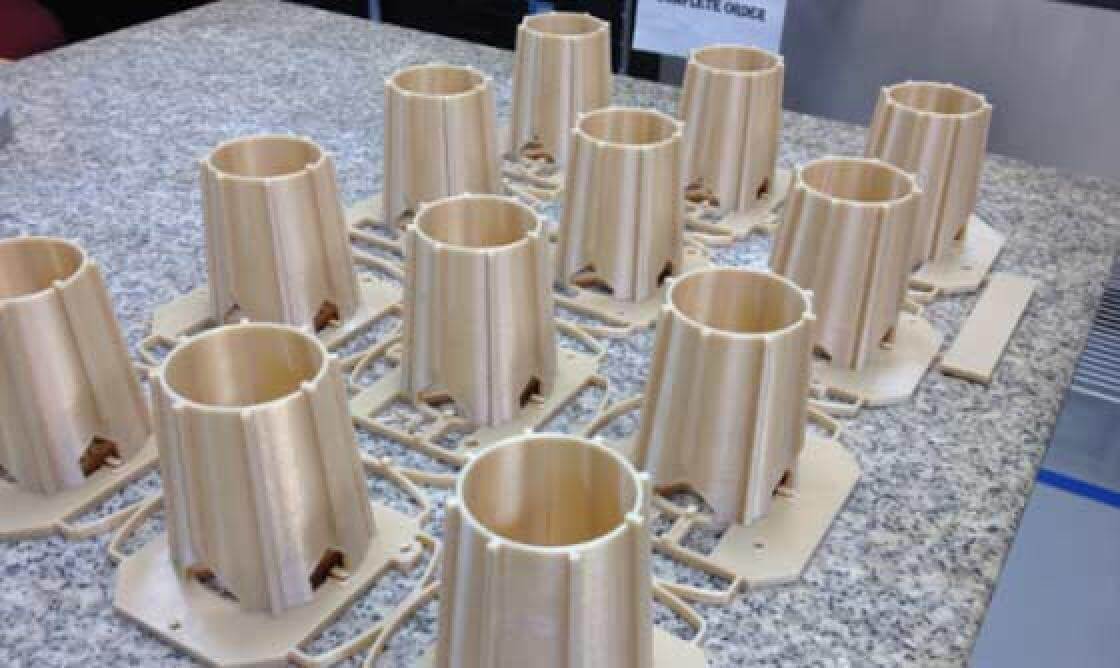
These two companies have signed a long-term contract of USD 73.7 million to create the orbital 3D printing. It may be noted that Archinaut is the first-ever platform developed to produce large structures in space and for space. It is projected to be launched by the end of 2022.
How to choose a suitable FDM 3d printer for your industry
With the rapid advancement in the field of technology, 3D printing is now getting popular among all. As per a recent report, the global 3D printing market will get double in size every 3 to 4 years, and the CAGR- Compound Annual Growth Rate will be around 18.2 percent to 27.2 percent. The report also says that SMEs are the primary user of 3D printing, covering around 75 percent of the global customer base.
This technology is no longer limited to people with money or specialty shops. As technology is getting affordable, small business owners and individuals are now taking advantage of this. If you are looking for the best 3D printer, you can always go for an FDM 3D printer as they are affordable and don’t involve a complicated setup.
In this technology, the printer takes filament as the printing raw material and sends it to the print head that melts the filament. Then the print head or nozzle moves in 3 dimensions to form a layer. It repeats the process to build the complete object.
FDM 3D printers are ideal for large parts and general-purpose parts. However, keep in mind that this printer’s resolution will be a little lower than other printing technologies as the filament has to have a particular thickness. This machine can create layers ranging from 100 microns to 300 microns.
Sometimes the 3D parts may feel a little rough. But with a good quality FDM 3D printer, you can avoid such an issue. Now the question is how to choose the right one? To help you out in this, we have mentioned some essential points that you should consider to get a suitable FDM 3D printer or an industrial grade 3d printer.
3.1, Your application industry
Speaking about the applications, Fused Deposition Modeling is the ideal option for rapid prototyping as these printers are designed to produce cheap copies of product design faster. That’s why it is widely used in medical, art, aerospace, and other such significant industries.
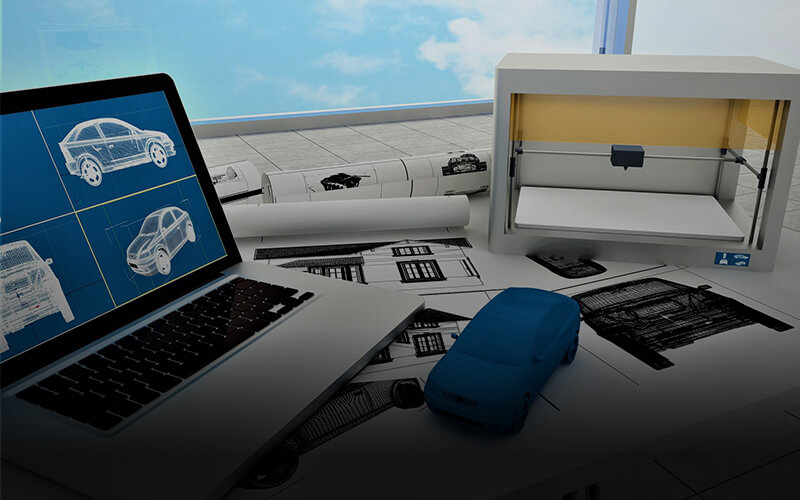
Using advanced 3D CAD software and the best industrial printers, new prototypes can be printed, analyzed, tested, and improved multiple times. This offers the maximum level of accuracy and flexibility. Let’s understand this by considering some other application industry.
- Education
If you are running a school or college, you can incorporate 3D printing into your curriculum as a tool to prepare the students for the future. Makerspaces, come equipped with CNC machines, printers, and other useful tools are getting common. These machines let the students learn creation in a new way, but there is also vast potential for creating educational models. From creating tessellation to frog dissection kits, you can make anything using these machines.
- Manufacturing and prototyping
It is a fact that this printing technology was developed for faster prototyping. Its flexibility and versatility have made it ideal for small-scale prototyping and manufacturing. If you look at the injection-molded prototype, it may cost you hundreds of dollars and take weeks to create a single mold. Well, that is not good if you want to improve the design.
With FDM 3D printing, it can be done quickly. While traditional manufacturing is suitable for large volume productions, the best industrial 3d printer will let you create on a case-by-case basis. A well-known automotive parts manufacturer and supplier, MAHLE uses 3D printing to create a custom fixture for the assembly line. If you are planning to do something like this, then go for an FDM 3D printer.
- Medical
If you are in the medical industry, this printer can be your perfect companion. You can manufacture the impossible things. You can now 3D print organs and skin tissue. Dentists are also using this technology to create 3D printed implants, dentures, crowns, braces, aligners, and more. It is quite beneficial as it facilitates mass customization.
3D printing in medicine is also used for creating metal orthopedic implants. As this technology can create porous surfaces, such implants can be easily integrated with the patient’s natural bones. There have been some successful cases of the utilization of a titanium pelvis implant. Though the binder jetting 3D printing process, you can create pills.
- Architectural models
Before starting the construction work, you can create different architectural models to verify the end products will work or not. 3D printing can be used to verify the architect’s design, and you can present your designs in a physical way. Besides, using a 3D scanner, you can restore the ancient buildings.
- Mannequin printing
When it comes to printing real-looking mannequin models, you can always go for 3D printing. In fact, by scanning a living object, you can create 3D models of that living object. For example, you can print sport person models by canning your favorite one.
- Jewelry
3D printed jewelry pieces are getting popular among people who are looking for a unique look. Using a 3D printer, you can experiment with unique designs that are not possible using old jewelry manufacturing techniques. The machine has made it cheaper to crate individual and customized piece of jewelry for the customer.
- Robotics
The robotics industry is also using the best industrial printers for rapid prototyping. If you are manufacturing robots, you will need well-customized parts for some particular tasks. Using 3D printing, you can easily create a prototype, adjust it, and send it for printing. The 3D printing process is mostly automated and works much faster than traditional methods.
Buying the best FDM 3D printer considering the industrial 3d printer cost, you can become a 3D pioneer. So, buy one now.
3.2, Print size requirements
This is also called the build volume of the printer. The object’s size can help you determine the build volume you are looking for in a printer. This is the maximum print size a printer can support. In most of the printers, it can be cuboidal in shape.
However, some come with a cylindrical shape. The build volume is generally measured in inches or millimeters. If the 3D printer’s build volume is large, it will quickly let your 3D print large objects.
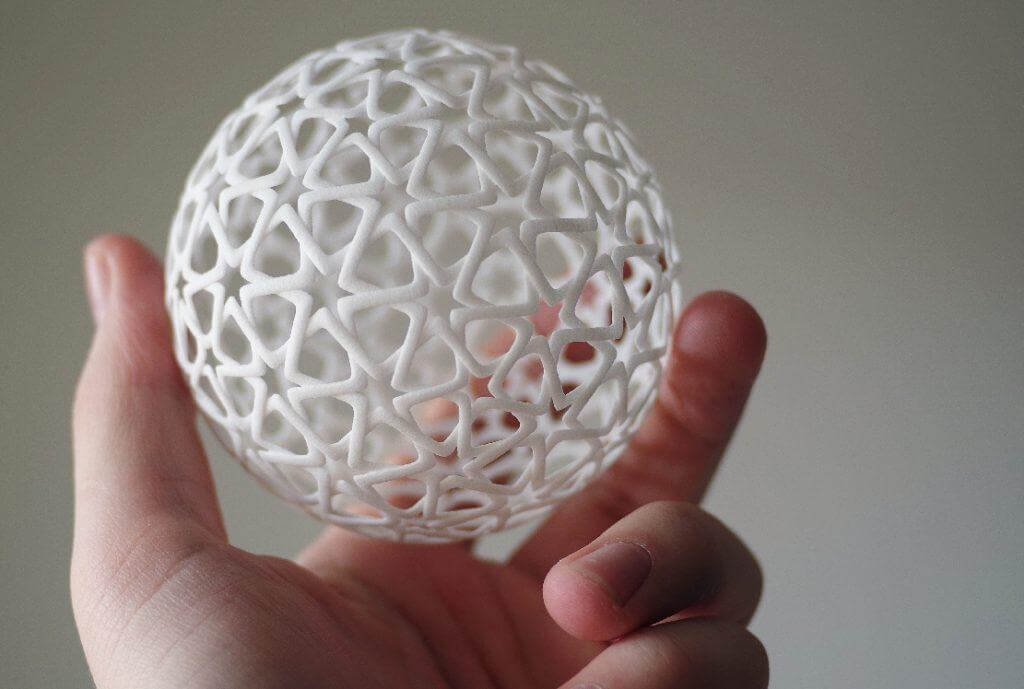
Jewelers require small volumes, as a 75mm size of the cube can create around 30 small rings simultaneously. On the other hand, architects require a larder model, and a printing machine with 300 x 300 x 300mm of build volume can be a little small for them.
Remember that the print size capacity can significantly affect the cost of the printer. So, an FDM printer that can create a 2ft long 3D piece can be around eight times costlier than the 3D printer that can make a 1-foot-long 3D model. An excellent quality industrial 3d printer price can be around USD 5,000 and can offer 230 x 200 x 200mm of build volume.
If you are running low on budget, you can go for a printer that supports lower build volumes as build volumes can be overcome by creating large 3D objects in different small parts, and once finished, you can joint them tother.
3.3, Printing material requirements
Most of the FDM 3D printer works excellent with printing materials like Polylactic acid or PLA. Such filaments offer consistent results, and you can use them for all types of printing applications. If you are in the plastic or chemical production industry, you will need printing material with different properties.
Remember that all the FDM 3D printers require thermoplastic to melt at a temperature of 200 to 300-degree Centigrade. Some other printing material options are ABS, which is quite popular in for injection molding process.
However, you may find it challenging to process it as the shrinkage rate is higher than PLA. Some of the filaments come in 1.75 mm diameter or 3 mm diameter with different color options. Check carefully which type of filament the printer can use.
Most of the FDM 3D printer manufacturers, like Dreambot3d, offer 3D printing machines that can process different types of printing materials. This may look very tempting, by you need to change some configurations of the machine for this. This is where you may face some difficulties. The reason is there is no such accurate information about which setting can work great for materials.
Some other printing materials
PLA- This is the most comfortable polymer to 3D print and offers excellent visual printing quality. The PLA material is very rigid and highly strong. However, the material is brittle.
ABS– This is generally used over PLA material when you want to build 3D models or parts that can sustain the highest temperature level. Besides, when it comes to enjoying higher toughness, you can always trust ABS.
Carbon fiber- This printing material is durable and stronger than PLA and ABS and quite cost-effective. If you want to create a durable 3D printed model, you can trust this material.
PC- This material is popular for its transparency and strength. On the other hand, this has a lower density than glass.
Nylon- Nylon possesses excellent mechanical properties and the best impact resistance for a non-flexible filament. Layer adhesion can be an issue, however.
PETG- This is an improved version of PET and made by adding Glycol in PET. 3D products made of PETG will look smooth and pleasant. This can be sterilized and food-safe grade. You will get durable and stringer print than PET/
More such materials can be used in this. You can also use flexible filaments, but not all the 3D printers will support this.
If you are a beginner at 3D printing and want to start with simply designed 3D models, it will be better to go for a maximum of two printing materials and learn how to use them.
However, if you are from an industry that always demands 3D printed objects with different properties and is ready to make some extra efforts, you can start working with different materials. Don’t just limit yourself to just one material if your printer supports all
FDM 3d printer buying guide
With many options available in the market, it can be very challenging to choose the right FDM 3D printer for your industrial requirement. By going through chapter 3, you will get detailed information about what to consider before buying an industrial size 3d printer. However, there are some factors that you need to consider while buying a 3D printer. Some of those factors are:
4.1, Choose a reliable brand
It is a fact that a good brand can offer you world-class products. For example, while regular brand’s 3D printers come with a simple structure and acrylic outer box, if you choose a reputed brand, like Dreambot3d, you will get printers that are very stable to use; they all will have enclosed metal chassis. Besides, the printer’s XYZ axis can print very stably while printing at a higher speed. On the other hand, printers from a reliable brand can offer the highest level of printing accuracy.
4.2, Safety configuration of the machine
The usage of 3D printers is increasing due to their rapid popularity along with affordability. They are now widely being used in offices, shops, laboratories, and other different industries. However, there are some 3D printers’ hazards that you should know about before using it. Some of them are:
- Heat generation
- Generation of ultrafine and nano-sized particles
- Different mechanical hazards from different moving parts of the printers
- High voltage
- Ultraviolet light
- Different chemical vapors are based on the printing materials being used.
So, you need to make sure that the printer is safe to use. It is advisable to purchase enclosed 3D FDM printers. It will lower the chances of getting exposed to harmful particles. All the 3D printers from Dreambot3d come appropriately enclosed. Besides, make sure the printer operating system is simple to use.
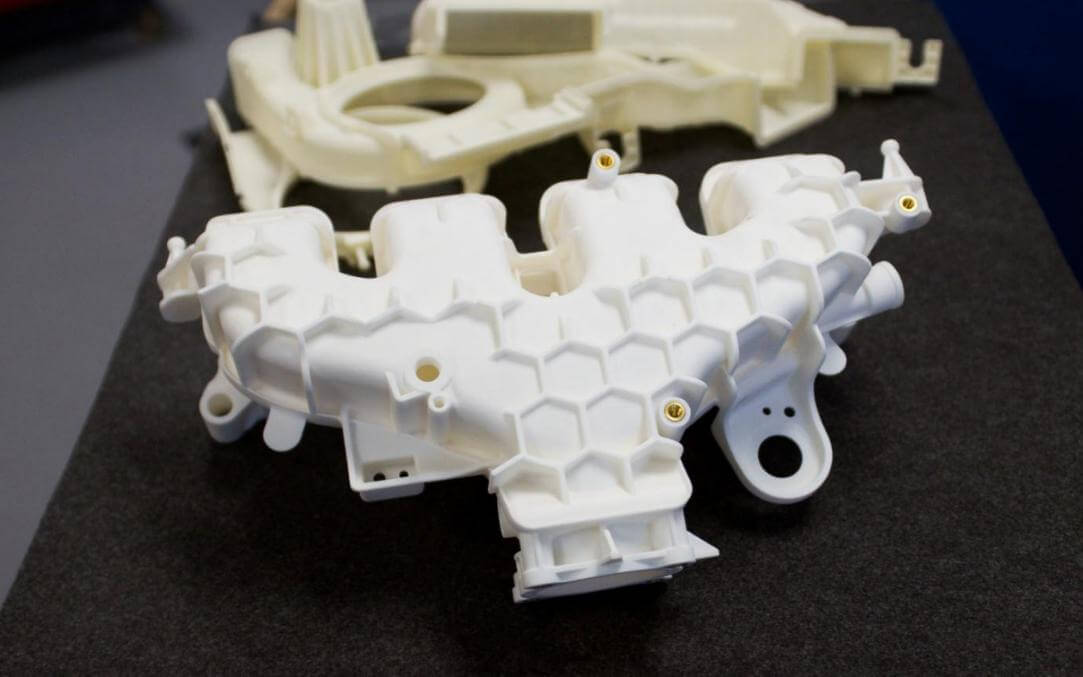
4.3, Resolution requirements of the machine
Resolution is all bout the level of details or quality at which the 3D parts will be created. 3D printers move in the XY and Z plane, and its movement will determine the resolution level. The smaller the movements, the better the printing resolution you will get. Here is a detailed explanation that will help you in better understanding.
XY resolution- This is also known as the planar dimension. This is the tiny movements that an FDM 3D printer laser can create within one layer. You will get better details on your 3D model if the movement is small. The thing is that the nozzle’s movement is not continuous. Here the movement occurs in acceptable intervals set by stepper motors. Some stepper motors in an FDM 3D printer can take around 200 to 400 steps to complete 360-degree rotation.
X resolution- It describes the thickness and height of the layer. Here, you will get higher resolutions if the layer height is small. If you increase the Z resolution by lowering the layer height, it will increase the 3D printing time.
Setting up the proper resolution on an FDM 3D printer will reflect the appearance of the 3D model. You should consider the resolution of the machine if you want to create highly detailed 3D parts.
4.4, Consider whether the price of the machine is acceptable
Are you paying the right amount for an FDM 3D printer? A high resolution FDM printer can cost you more than USD 2000. However, while buying, make sure that the printer has some useful features under the price you are paying. If the machine is good and has all the safety features, it will not feel bad to pay a little more.
4.5, Consider the supplier’s after-sales service capability
Like other electronic machines, 3D FDM printers can also develop technical issues. So, make sure that the printer manufacturer offers professional after-sale service and customer care service so that you can resolve the issue immediately. Always choose a company that can offer 24×7 customer care service, helping you keep the printers running smoothly.
Conclusion: Why our FDM 3D printer is one of the best choices?
Lightweight, parts consolidation, fluid-flow, rapid prototyping, and functional improvements are some of the few ways 3D printing can benefit your company. To let you enjoy the maximum benefits of it, we have brought you advanced FDM 3D printers.
If compared to other manufacturers, our printers are designed to offer higher performance. The XYZ axis of the printer can print quite stably while running faster. That means you will enjoy maximum accuracy. While other manufacturers offer acrylic outer box, we offer enclosed chassis made of metal.
For better printing, a constant temperature system plays a crucial role. But you will not find this system in all the 3D printers. However, the 3D printers of Dreambot3d come with this system. No matter what types of printing material you are using, be it carbon fiber, PC, ABS, or Nylon, the printing temperature will remain constant, and the material will not be drawn or wrapped while printing.
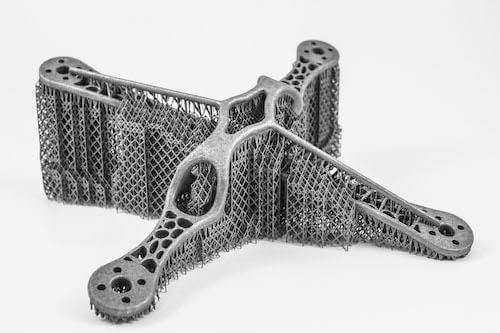
Most of the 3D printer manufacturers only offer 1 to 2 regular sizes in printers, and their market condition is not stable. We have a massive collection of printers of different sizes. Our market condition is also relatively stable.
When it comes to buying an industrial grade 3d printer, you can trust Dreambot3d as we have to manufacture such printers for more than 8 years. Besides, with our R&D capabilities, we are also adding new features to our machines to let you enjoy faster and quality 3D printing.
When you place your order, your order will be shipped within 3 to 5 days, and customized styles can be shipped within 10 to 15 working days. When you try out our FDM 3D printers, you will find them cost-effective and fast.